
The Standardbred
A breed born to pull, raised to race, and bred to endure
The Standardbred is one of the most reliable, versatile, and enduring horse breeds in the world — the driving force behind harness racing and a cornerstone of New Zealand’s equine identity.
From its origins in 19th-century North America to its deep roots in New Zealand’s rural heartlands, the Standardbred has become much more than a racing breed. It is a symbol of grit, utility, and legacy. At the NZSBA, we celebrate this horse not just for what it does — but for everything it represents to breeders and horsepeople across generations.
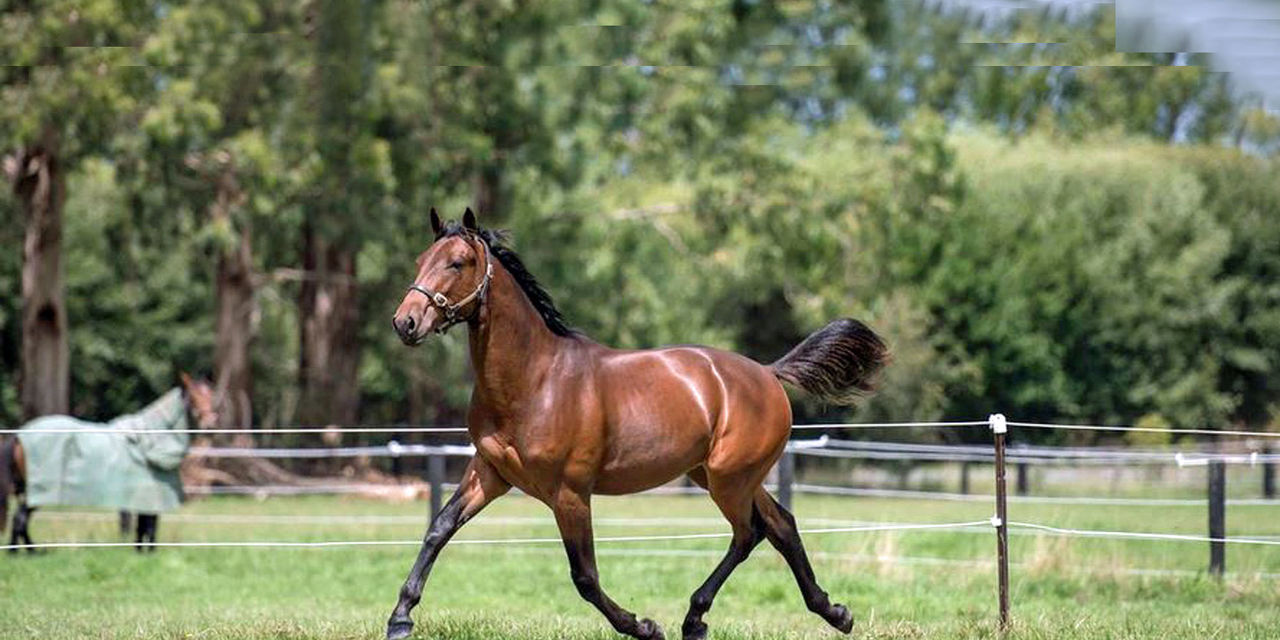
Where It All Began: The Birth of the Standardbred in North America
The story of the Standardbred begins in the early 1800s in the United States, where settlers needed a horse that was strong enough to work during the week, fast enough to race on weekends, and reliable enough to carry the family to church on Sunday.
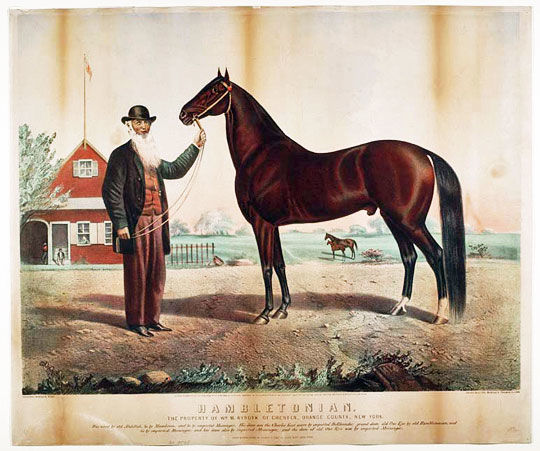
The breed owes much of its foundation to Messenger, a Thoroughbred imported from England in 1788, and even more so to his great-grandson, Hambletonian 10 (born 1849), widely regarded as the founding sire of the Standardbred breed. Hambletonian’s compact build, natural trotting ability, and prolific breeding success laid the foundation for what would become the first truly American horse breed.
The name “Standardbred” was formalised in the late 19th century when horses were required to meet a standard time (initially 2 minutes and 30 seconds for a mile) in order to be registered. Thus, the Standardbred became synonymous with speed, stamina, and consistency — characteristics that remain central to the breed today.
A 19th century trotting race
The Standardbred in New Zealand: Our National Harness Hero
Standardbreds were first imported into New Zealand in the mid-to-late 1800s, initially from the United States and later from Australia. Early pioneers such as Etienne Le Lievre (who imported Rothschild and Harold Dillon) and Robert Wilkin (with Kentucky and Berlin) were instrumental in establishing the foundations of our domestic bloodstock.
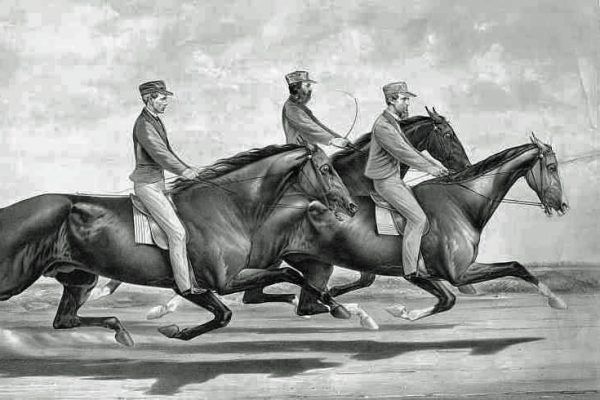
A 19th century trotting race
By the time the first New Zealand Standardbred Stud Book was published in 1905, 225 mares bred in New Zealand had already been officially recorded — many of them carrying American and colonial lines. The breed adapted beautifully to New Zealand’s conditions, and within a few decades, our country was producing homebred champions that could match and beat the best in Australasia and beyond.
Today, New Zealand-bred Standardbreds are recognised globally for their toughness, durability, and staying power. Our exports continue to perform at elite levels in Australia, North America and Europe — a testament to the vision and commitment of New Zealand breeders.
What Makes a Standardbred?
The modern Standardbred is a specialist athlete, known for its intelligence, soundness, and composure under pressure. They typically stand between 15 and 16 hands high, with:
- A solid, muscular build
- A longer, deeper body than a Thoroughbred
- Strong legs, powerful hindquarters, and durable hooves
- A calm, trainable temperament
- An aptitude for either pacing or trotting
Bred to race in harness at speed, Standardbreds mature early and are known for their resilience, often racing across multiple seasons — a trait increasingly rare in other equine codes.
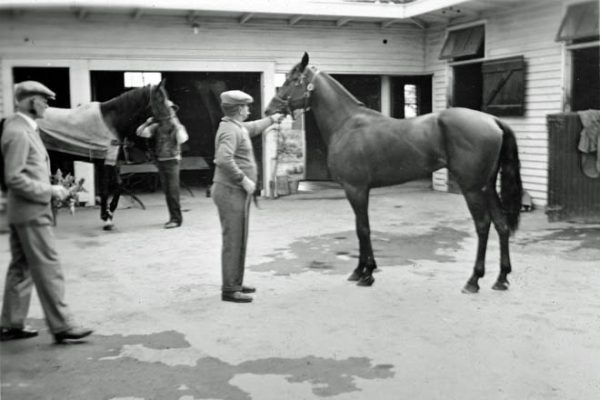
John McKenzie (left) looks on as grooms attend to horses at Roydon Lodge.
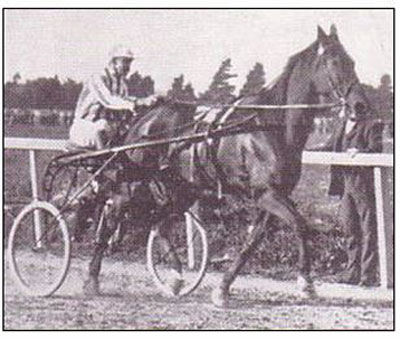
Early Australasian Champion Fritz
Trotting vs Pacing: Two Gaits, One Goal
A defining feature of the Standardbred is its natural gait — with horses generally bred to be either pacers or trotters.
- Pacers move the legs on the same side of the body simultaneously (left front and left hind, right front and right hind).
- Trotters move in diagonal pairs (left front and right hind together, and vice versa).
Both gaits are efficient and elegant in their own way, and each has its own racing circuit. In New Zealand, pacers account for around 85% of the foal crop and race fields — though trotting has surged in prominence thanks to the development of elite local bloodlines and dedicated breeder support.
Understanding gait is central to breeding strategy, as certain bloodlines are proven performers in one discipline over the other.
Icons of the Breed: The Standardbred Legacy
Over the past century, Standardbreds have delivered some of the most iconic moments in New Zealand’s sporting history. Among them:
- Cardigan Bay – The first harness horse in the world to earn over $1 million. A crowd favourite in the U.S., he remains a symbol of Kiwi excellence abroad.
- Christian Cullen – Known as “The Freak,” this electrifying pacer became a champion sire and left a lasting legacy through his progeny.
- Lyell Creek – Dominated trotting in the early 2000s, with 56 wins across New Zealand, Australia, and the U.S., and earnings of nearly $3 million.
- Young Quinn, Lazarus, I Can Doosit, and Scotch Notch – All names synonymous with elite performance, global success, and enduring breeder pride.
Behind every champion is a breeder who dared to dream — and that dream lives on through the bloodlines they built.

Lyell Creek being led out for his last ever race in New Zealand
Beyond Racing: Life After the Track
While best known for harness racing, the Standardbred’s talents extend well beyond the racetrack. Their calm nature and willingness to learn make them ideal for:
- Trekking and recreational riding
- Show jumping, dressage, and eventing
- Therapy and equine-assisted learning
- Companion and lifestyle horses
Retired Standardbreds are being increasingly sought after by riding clubs, trekking organisations, and rehoming programs across New Zealand. Their adaptability and “heart” continue to shine long after their racing days are over.
Strong, smart, and born to go the distance — the Standardbred is New Zealand’s great racing horse.
Whether you’re breeding for the sales ring, the winner’s circle, or the love of the game — it all starts with this remarkable horse.